Showing posts with label MILLET. Show all posts

Tuesday, 17 April 2018

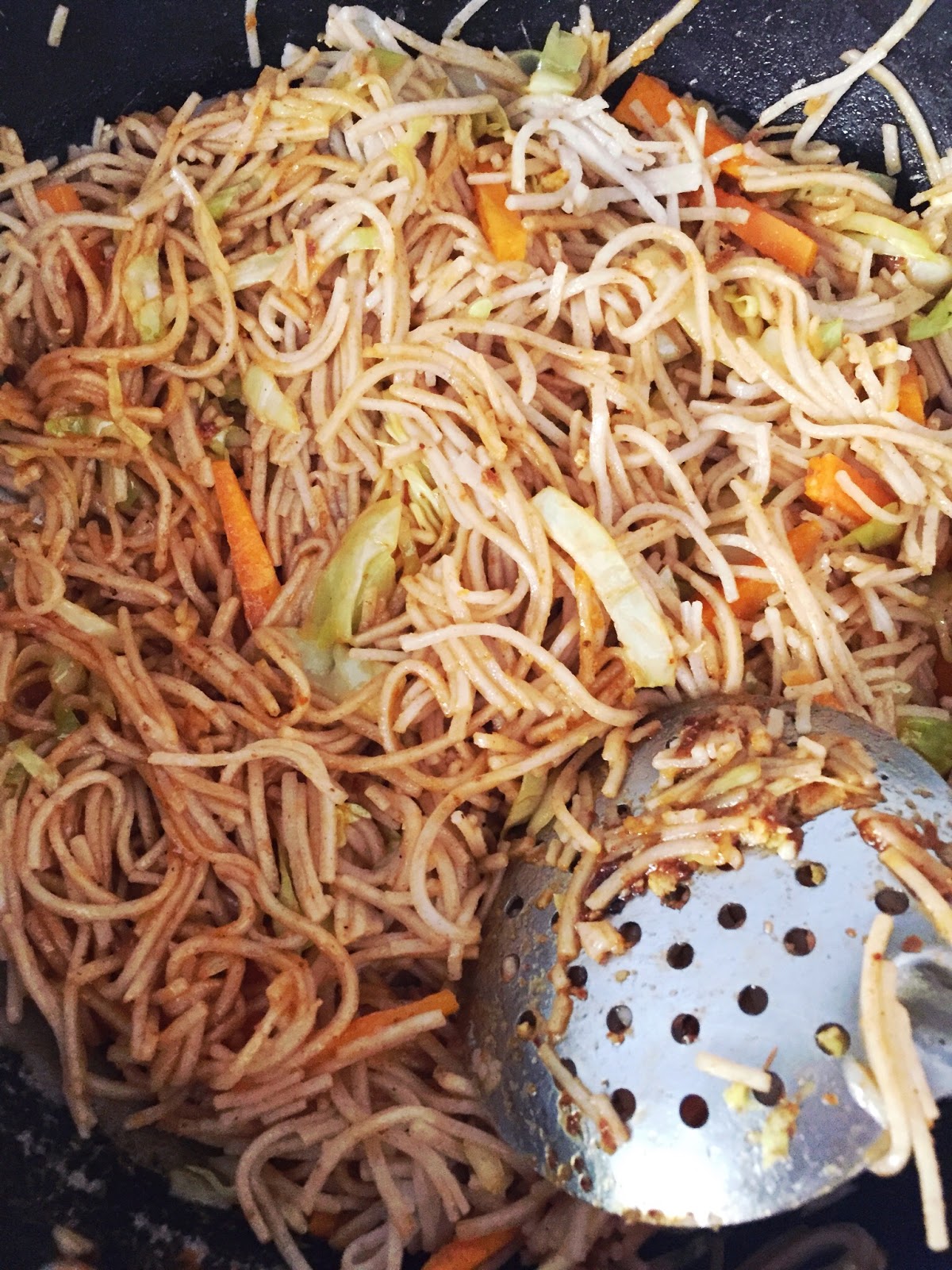
EGG MULTI MILLET CHOWMEIN

Multi-Millet Noodles has Ragi/ Finger Millet, Kambu /Pearl millet, Samai /Little millet, Varagu / Kodo millet, Kuthiraivalli /Barnyard millet. The pack is free from MSG and also has a tastemaker in it. Varagu noodles were soft and light for the stomach. The tastemaker came along with this noodles pack was not too spicy. 


Health Benefits : 


  • Ragi/ finger millet a very important factor in preventing malnutrition. Ragi is also a very rich source of minerals. It has been found to have between 5-30 times the calcium content found in other cereals. It is also rich in phosphorus, potassium and iron.  Ragi/Finger millet is rich in antioxidants that prevent excessive oxidation. 
  • Kambu /Pearl millet is very rich in Calcium, Protein, Iron and Magnesium.It helps to reduce the bad cholesterol level in our body. It's a great body coolant. It helps to improve the digestion power and heals stomach ulcers too.It helps to improve bowel movements and prevents constipation
  • Varagu / Kodo millet is an annual grain that is grown in primarily in India. Kodo millet has a large potential to provide nourishing food. Kodo millet is very easy to digest, it contains a high amount of lecithin and is excellent for strengthening the nervous system, rich in B vitamins, especially niacin, B6 and folic acid, as well as the minerals such as calcium, iron, potassium, magnesium and zinc. 
  • Kuthiraivalli /Barnyard millet is a wild seed and not a grain, mainly grown in the hilly areas of Uttaranchal, India. The barnyard millet is the fastest growing crop.   Barnyard millet is a good source of highly digestible protein and at the same time is the least caloric dense compared to all other cereals. It is a grain which makes one feel light and energetic after consumption. 
  • Samai is rich in phytochemicals and it has excellent antioxidant properties.Its Dietary fibre protects against hyperglycemia. It reduces cholesterol and helps in digestion. Has nearly 2.5 times minerals and nearly 38 times fibre and nearly 13 times Iron than Rice.


Ingredients : 

  • 1 Pack Multi- Millet Noodles
  • 1 Big Onion Julienned
  • 1/2 Cup Vegetables Julienned (Carrot, cabbage) 
  • 1 Green Chilli Chopped 
  • 2 Garlic Finely Chopped
  • 1/2 inch Ginger Chopped
  • 2 Eggs
  • 2 tbsp Coconut oil
  • 2 tsp Tomato Ketchup
  • 1 tsp Black /White Pepper powder 
  • 1/4 tsp Sugar
  • Masala Powder 
  • Salt to taste 

 To make Egg Multi millet Chowmein  at home follow the detailed step by step recipe with photos posted below

Step By Step Picture Instructions : 


  1. Boil around 1/2 a litre of water and cook Noodles around 10 min with salt and few drops of coconut oil
           
  2. Drain the noodles and run under cold water.  Keep the noodles aside  
     
  3. Heat coconut oil in a wok
  4. Add chopped ginger, garlic and green chilli.
      
  5. Saute well on high flame and then add the onions. Saute until it goes transparent
     
  6. Add Eggs and roast for 2 minutes
     
  7. Once egg and onion roasted well, remove from heat and keep aside
     
  8. In the same pan, add oil and vegetables and saute for a couple of minutes
      
  9. AddTomato Ketchup, sugar and black pepper powder, and mix well 

  10. Add the cooked noodles and toss on high flame
  11. Add tastemaker and toss well


  12. Now add the fired onion and eggs to the noodles 

  13. Toss the Noodles gently.
     
  14. Serve hot   

Monday, 16 April 2018

VEGETABLE RAGI UPMA RECIPE

Ragi Upma is one of the healthy recipes that combines the goodness of ragi (finger millet) and Indian spices. “Upma” the most underrated recipe. But this one makes me crazy. This recipe can be prepared with grated coconut or you can skip, tastes delicious both ways. Millets have a special space in my adukalaii. Ragi usually we take as " Ragi kanji" (Ragi Porridge ) or Ragi phulka. 


Benefits of Ragi / Finger Millet :

  • The high protein content makes Ragi/ finger millet a very important factor in preventing malnutrition. 
  • Ragi is also a very rich source of minerals. It has been found to have between 5-30 times the calcium content found in other cereals. 
  • It is also rich in phosphorus, potassium and iron.  
  • Ragi/Finger millet is rich in antioxidants that prevent excessive oxidation.
  • Aside from the phenolic content and antioxidants which are important factors in preventing ageing. 


CourseBreakfastPrep Time10 minutes
CuisineIndianCook Time 20 minutes
Servings4 peopleTotal Time30 minutes

Ingredients : 

  • 1 Packet Ragi Vermicelli ( I bought Anil brand) 
  • 1 Onion Chopped 
  • 1/4 Cup Vegetables Chopped (Carrot, peas, capsicum) 
  • 1/2 Tablespoon Cumin Seeds 
  • 1/4 Tablespoon Mustard Seeds 
  • 1 Tablespoon Urad Dal 
  • 1 Green Chilli Chopped 
  • 1 Tablespoon Ginger Garlic Chopped 
  • 1/4 Teaspoon Turmeric Powder 
  • 1/2 Tablespoon Garam Masala Powder 
  • Curry Leaves 
  • 2 Tablespoon Coconut Oil 
  • Salt to taste 

To make Vegetable Ragi Upma Recipe at home follow the detailed step by step recipe with photos posted below

Step By Step Picture Instructions : 


  1. Soak ragi vermicelli in water for 3-5 minutes 


  2. Drain it completely 
  3. Steam the drained ragi in a steamer for 5 minutes  
  4. Once cooked, remove from the steamer 
  5. Add salt and mix well with your hands without breaking it 
  6. In a pan, temper mustard, cumin, urad dal and curry leaves in coconut oil 
  7. Add chopped ginger, garlic and green chilli, and saute for a minute 
  8. Add finely chopped onion and roast until soft 
  9. Add the vegetables and cook on the medium flame 
  10. Add salt required for the vegetables 
  11. Add turmeric powder and garam masala powder and mix well 
  12. Reduce the flame, and add the cooked ragi to the vegetables 
  13. Mix gently 
  14.  Serve hot 


Note: If you want to add grated coconut, just before you remove from heat add coconut and mix well !! 


Saturday, 14 April 2018

KUTHIRAIVALI SAMBAR SADHAM / BARNYARD MILLET SAMBAR RICE

The Barnyard millet is a wild seed and not a grain, mainly grown in the hilly areas of Uttaranchal, India. The barnyard millet is the fastest growing crop.   Barnyard millet is a good source of highly digestible protein and at the same time is the least caloric dense compared to all other cereals. It is a grain which makes one feel light and energetic after consumption. 

A serving of barnyard millets (25g, raw) gives 75 calories and 1.5g of protein.  It is an excellent source of dietary fibre with a good amount of both soluble and insoluble fractions.  The carbohydrate content of barnyard millet is low and slowly digestible, making the barnyard millet a low glycemic index food.  Like all millets, the barnyard millet is gluten-free.  According to research on nutrient content on millets, some varieties of barnyard millet have shown to contain high amounts of iron which was the richest amongst all millets and cereal grains. Barnyard millet could be a good source of iron for vegetarians. 


Kuthiraivali Sambar Sadham is healthy and delicious rice variety. Can be easily prepared at home. 

Ingredients : 


  • 3/4 Cup Kuthiraivali / Barnyard Millet 
  • 1/4 cup Toor Dal 
  • 1 Garlic 
  • 5-8 Shallots 
  • 1 cup Vegetables (Carrot, peas, capsicum) 
  • 1 Tomato Chopped 
  • 2 Green Chilli 
  • 2 Tablespoon Tamarind juice 
  • 3 Dried red chilli 
  • 1/4 Teaspoon Mustard Seeds 
  • 1/2 Tablespoon Cumin Seeds 
  • 1/4 tablespoon Turmeric Powder 
  • 1/2 Tablespoon Chilli Powder 
  • 2 Tablespoon Sambar Powder 
  • A pinch of Hing 
  • Curry Leaves 
  • Coriander Leaves to Garnish 
  • 2 Tablespoon Coconut Oil 
  • 1/2 Tablespoon Ghee 
  • Salt to taste 

 To make Kuthiraivali Sambar Sadham / Barnyard Millet Sambar Rice at home follow the detailed step by step recipe with photos posted below


Step By Step Picture Instructions : 


  1. Wash kuthiraivali and toor dal in water for at least 3 times until all dirt are removed 
  2. Soak the cleaned kuthiraivali and toor dal for 20 minutes 
  3. Pressure cook the soaked kuthiraivali and toor dal with tomato, garlic, green chilli (1 no) and turmeric powder for 4 whistles 
  4. Mash them well 
  5. Add salt required for the dal mixture 
  6. Add tamarind juice and keep aside 
  7. Temper mustard seeds, cumin, dried red chilli, hing and curry leaves in coconut oil 
  8. Add shallots and green chill, and roast for a minute 
  9. Add the vegetables and mix well 
  10. Add salt to the vegetables 
  11. Add 1/4 cup of water and cook the vegetables 


  12. When the vegetable are cooking add chilli and sambar powder, and cook for a couple of minutes
  13. Mix the vegetable mixture to the dal mixture, and mix well 
  14. Add 1 cup water and mix well, and cook on medium heat for 3-4 minutes 
  15. Garnish with coriander leaves 
  16. Add ghee and serve hot